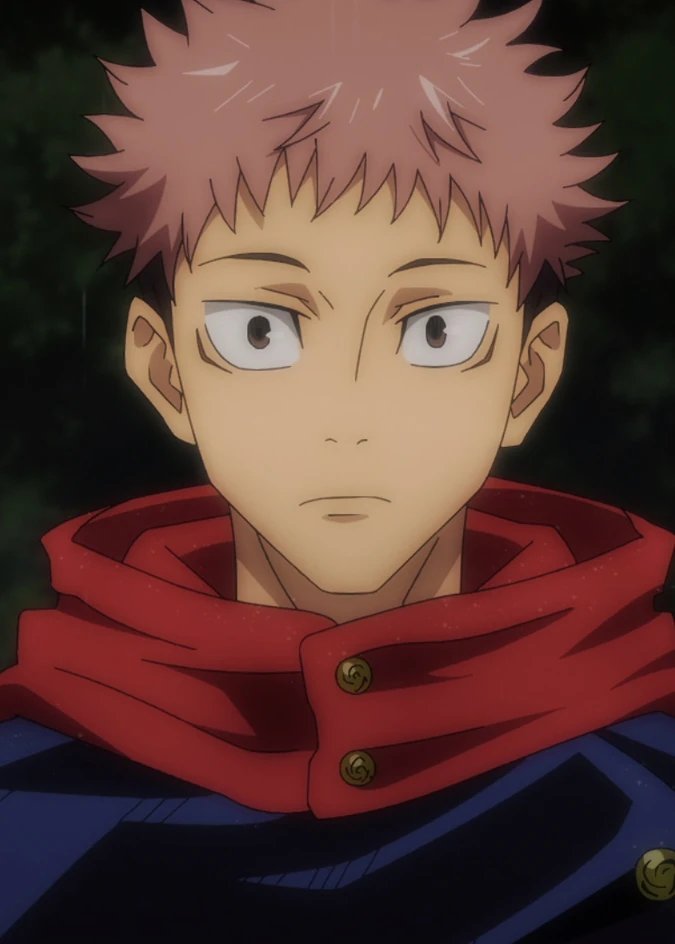
Ten Shadows Guide
Megumi's Technique
The Ten Shadows Technique is an inherited technique of the Zenin clan, allowing the user to summon and control ten distinct shikigami through shadows. Megumi Fushiguro is the current user, though his full potential remains largely untapped — until Sukuna demonstrates what the technique can truly achieve.
Overview of Ten Shadows
The Ten Shadows Technique is one of the two strongest inherited techniques in jujutsu society, rivaling the Gojo clan's Limitless in prestige and power. Passed down through the Zenin clan for over a millennium, the technique allows the user to summon and control up to ten distinct shikigami from shadows. Each shikigami has unique abilities, and the user can combine them or absorb their powers through the totality ritual.
What makes the Ten Shadows exceptional is its versatility. Unlike techniques that specialize in a single combat role, Ten Shadows provides reconnaissance (Divine Dogs), aerial combat (Nue), area denial (Rabbit Escape), long-range artillery (Max Elephant), close combat (Piercing Ox), healing (Round Deer), and tactical flexibility (shadow manipulation). A skilled user can adapt to any combat scenario by selecting the appropriate shikigami for the situation.
The technique's ultimate potential is demonstrated by the fact that no user in the Zenin clan's thousand-year history has ever fully tamed all ten shikigami. Megumi Fushiguro has only fully manifested six of the ten, leaving three shikigagi unknown and Mahoraga untamed. This suggests that the technique's full power has never been realized — until Sukuna demonstrated its true capabilities.
Mechanics and Rules of Shikigami Summoning
The Ten Shadows technique operates by manipulating shadows as a medium for shikigami manifestation. The user creates shadows using their cursed energy, then materializes shikigami from those shadows using hand signs. Each shikigami has a specific hand sign pattern that the user must learn and execute. The speed and precision of hand signs determine summoning speed, making hand sign mastery crucial for combat effectiveness.
A key mechanic is the totality ritual. When a shikigami is destroyed, its abilities can be inherited by another surviving shikigami. Megumi demonstrated this when his white Divine Dog was killed and its "sibling bond" tracking ability was inherited by the black Divine Dog, creating a two-headed variant with enhanced capabilities. This means the Ten Shadows technique actually grows stronger as individual shikigami are lost — the survivors absorb the fallen ones' power.
Shikigami can also be combined voluntarily. When two shikigami are merged, their abilities blend into a new, more powerful form. Megumi demonstrates this by merging the Divine Dogs into their two-headed variant and by combining Nue with Toad to create a flying combat platform with grappling capabilities. The number of possible combinations expands exponentially with the number of available shikigami.
The shadows themselves are a weapon independent of shikigami. Megumi can manipulate shadows to create binding restraints, form protective barriers, and even store items within them. This shadow manipulation is a secondary but equally important aspect of the technique, providing utility that complements the shikigami's combat roles.
Types and Classifications of Shikigami
The ten shikigami of the Ten Shadows fall into several functional categories. Divine Dogs (black and white twins) are reconnaissance and pursuit specialists with enhanced tracking abilities. Nue is an aerial combat and area-denial shikigami that can unleash lightning strikes from above. Toad is a capture and restraint specialist using its tongue for long-range grabs.
Great Serpent provides underground ambush attacks, emerging from shadows beneath targets. Rabbit Escape creates hundreds of harmless decoy rabbits for distraction and escape. Max Elephant fires high-pressure water blasts that can destroy reinforced structures. Piercing Ox charges with power proportional to distance traveled, making it a devastatingly effective open-field combatant.
Round Deer emits positive energy that dispels barriers and provides healing — a rare support shikigami among the Ten Shadows. The eighth shikigami is Mahoraga, the untamed divine general that has never been successfully exorcised. The ninth and tenth shikigami remain unknown, as no user has ever manifested them in the series' timeline.
The shikigami also vary by rarity. Lower-tier shikigami like Rabbit Escape are easy to summon and maintain, while higher-tier shikigami like Max Elephant require significantly more cursed energy. Mahoraga is unique — it cannot be controlled at all until the ritual exorcism is completed, making it a suicidal last resort rather than a tactical option.
Notable Users and Key Examples
Megumi Fushiguro is the current user of the Ten Shadows and arguably the most talented in generations. Unlike previous Zenin users who relied on the technique's raw power, Megumi approaches it strategically — using shadows creatively, combining shikigami in novel ways, and developing new techniques like Chimera Shadow Garden. His potential terrifies Sukuna, who considers Megumi the most dangerous person in the jujutsu world.
The historical battle between Gojo Satoru and the Zenin clan head is legendary. The Zenin head used the Ten Shadows against Gojo's Limitless in a battle that reportedly pushed both techniques to their absolute limits. Mahoraga's adaptation ability was shown to be capable of countering Gojo's Infinity, establishing the Ten Shadows as the only technique that can genuinely threaten the Limitless.
Sukuna demonstrates the Ten Shadows' true potential after taking over Megumi's body. The King of Curses uses the technique with a level of mastery that Megumi never achieved — using shadows for storage, creating shadow clones, teleporting between shadows, and ultimately taming Mahoraga. Sukuna's use of the Ten Shadows reveals that the technique's ceiling is far higher than any previous user realized.
The contrast between Megumi and Sukuna's usage is instructive. Megumi views the shikigami as partners and the shadows as tools, limiting himself to "appropriate force for the mission." Sukuna views them as weapons to be exploited ruthlessly, pushing each ability to its absolute limit without sentimentality.
Strategic Analysis and Combat Applications
The Ten Shadows excels in adaptability. A skilled user can field the optimal shikigami for any matchup, switching between reconnaissance, ranged bombardment, close combat, and area control as the situation demands. The technique's primary strength is that the opponent cannot prepare for all ten shikigami simultaneously — they must adapt to whatever the user deploys.
The technique's main weakness is the cursed energy cost of maintaining multiple shikigami simultaneously. Each active shikigami drains the user's reserves, and high-tier shikigami like Max Elephant require significant sustained output. Megumi compensates with efficient energy management, but this limits his ability to field multiple powerful shikigami at once.
Counter-strategies against the Ten Shadows include targeting the user directly rather than the shikigami, as destroying shikigami only makes the remaining ones stronger through totality. Speed-based fighters who can close distance quickly threaten the summoner before they can deploy appropriate countermeasures. Domain Expansions that neutralize or sever the shadow connection can also disable the technique.
In team combat, the Ten Shadows excels at force multiplication. Megumi can field multiple shikigami simultaneously to support allies, creating a numerical advantage that few opponents can overcome. His shadow manipulation also provides utility for the entire team — creating escape routes, storing items, and providing reconnaissance. For more on Ten Shadows strategy, visit the Jujutsu Kaisen Wiki Ten Shadows page.
Frequently Asked Questions
Can Ten Shadows users summon multiple shikigami at once?
Yes. Megumi regularly summons multiple shikigami simultaneously. The number of concurrent summons depends on the user's cursed energy reserves and the shikigami's individual costs. Lower-tier shikigami like Rabbit Escape can be summoned in dozens, while high-tier shikigami like Mahoraga require the user's full focus and energy.
What happens when a shikigami dies?
When a shikigami is destroyed, its abilities can be inherited by another surviving shikigami through the totality ritual. Megumi's white Divine Dog was killed and its tracking abilities were inherited by the black Divine Dog, creating a more powerful two-headed variant. This means losing shikigami can actually make the remaining ones stronger.
Can anyone learn the Ten Shadows?
No. The Ten Shadows is an inherited technique passed down through the Zenin clan bloodline. It manifests spontaneously in certain clan members and cannot be learned or taught. Non-Zenin users cannot acquire the technique under normal circumstances.
Is Chimera Shadow Garden a complete Domain Expansion?
No. Megumi's Chimera Shadow Garden is incomplete — it lacks a sure-hit effect, making it a pseudo-domain. This reflects Megumi's mental state; he fights for others rather than for himself, and his domain reflects this lack of selfishness. A completed version would likely have guaranteed shadow manipulation effects.
Can Mahoraga be controlled after taming?
Based on Sukuna's demonstration, yes — successfully exorcising Mahoraga in the ritual grants the user control over it. Sukuna tamed Mahoraga and used it as a controlled shikigami in battle. However, no Zenin clan member in history has ever successfully completed the ritual, so the full extent of a tamed Mahoraga's capabilities remains largely unknown. For more information on individual shikigami, visit the JJK Wiki Mahoraga page.
Pro Tip: "Megumi never uses Ten Shadows to its full potential because he limits himself to 'tools for the mission.' Sukuna shows the real power — using shadows as storage, clones, and teleportation."