Character Overview
Megumi Fushiguro is a first-year student at Tokyo Jujutsu High and the deuteragonist of Jujutsu Kaisen. He is the heir to the Zenin Clan's Ten Shadows Technique, one of the two inherited techniques of the Great Families, and the son of Toji Fushiguro, the legendary Sorcerer Killer. Despite his extraordinary lineage, Megumi is defined by his lack of self-worth — he genuinely believes he has less value than others and fights not for recognition but because he considers himself expendable. This psychological profile makes him one of the most nuanced characters in the series: a prodigy who cannot see his own potential.
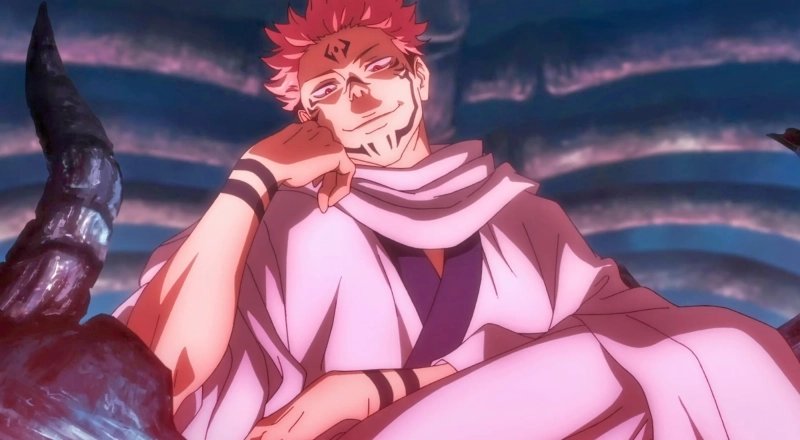
Megumi's motivation is captured in a single line he repeats throughout the series: "I don't save people because I'm a good person. I save people because I can't stand to see good people die." Unlike Yuji Itadori, who believes everyone deserves saving, Megumi operates on a selective altruism — he only saves people he considers "good." This philosophy stems from his childhood trauma of being abandoned by his father and raised in the dysfunctional Zenin Clan, where he learned that the world does not reward kindness. His role in the story is critical because Sukuna himself takes a specific interest in Megumi, seeing his potential as a replacement vessel and attempting to break his spirit during the Shibuya Incident. The narrative arc of Megumi is one of gradual self-acceptance, moving from a boy who sees himself as worthless to someone who acknowledges his own power.
Appearance and Design
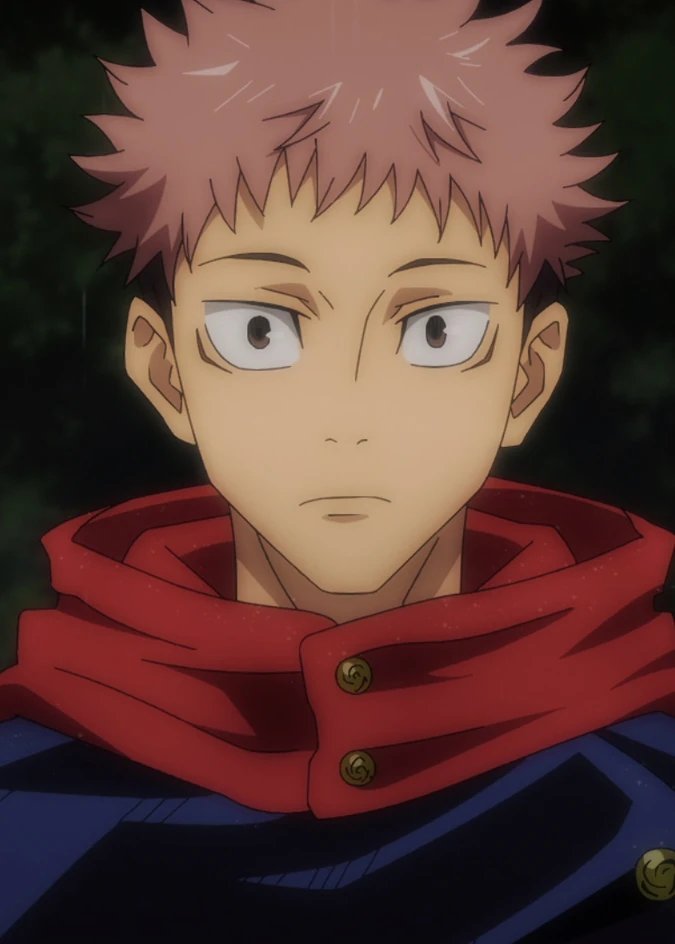
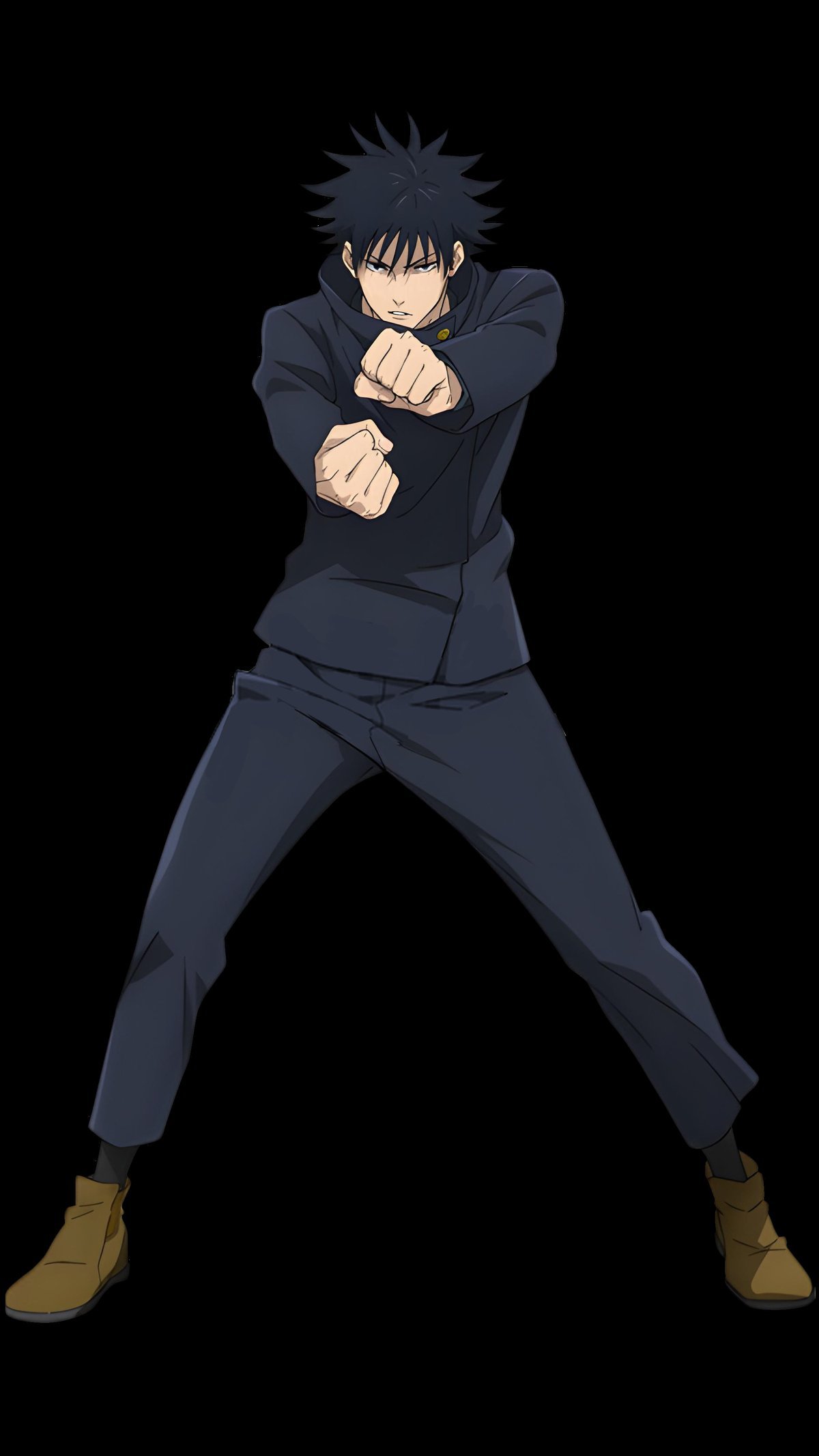
Megumi's design by Gege Akutami captures his reserved, introverted nature through visual restraint. He has dark, spiky black hair styled upward in a distinctive bedhead-like fashion, with sharp blue-green eyes that usually carry a serious, contemplative expression. His face is angular with a strong jawline, giving him a mature appearance that contrasts with Yuji's softer, more youthful features. His build is lean and athletic — not as muscular as Yuji but visibly fit, reflecting his agility-based combat style rather than brute force. The visual contrast between Megumi and Yuji is intentional: Yuji's bright pink hair and open expression signal approachability, while Megumi's dark hair and guarded look suggest emotional distance.
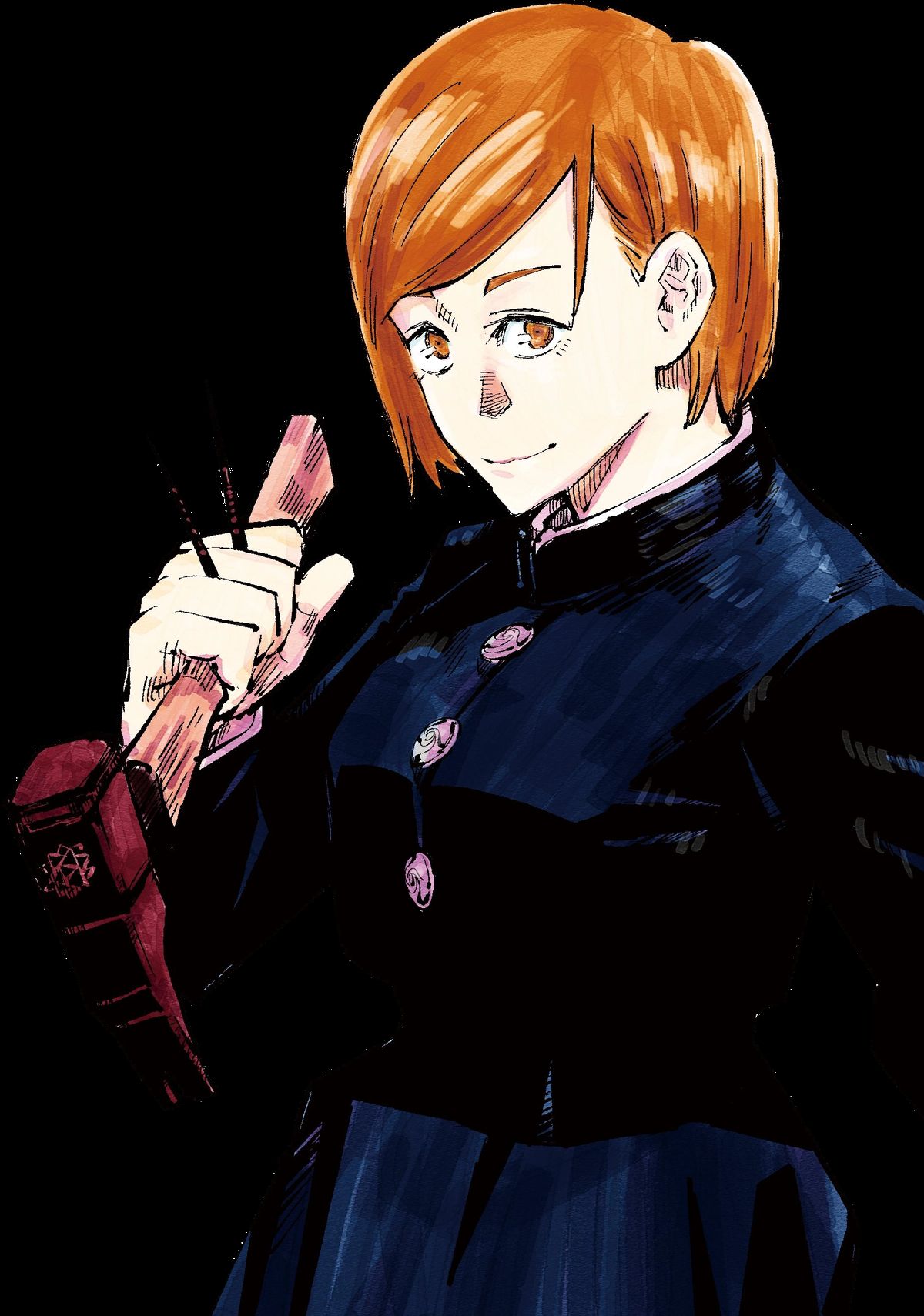
His wardrobe reinforces his minimalist personality. He wears the standard Tokyo Jujutsu High uniform — a dark blue high-collared gakuran jacket with a white shirt underneath, paired with dark trousers — but he does not accessorize or personalize his outfit the way Nobara does. He is almost never seen without his focused, slightly furrowed expression. One notable design detail is how his appearance changes when he summons shikigami: his shadows deepen around him, and his eyes glow with a faint blue-white light as his cursed energy activates. Compared to his father Toji, who had a similarly dark aesthetic but with a more predatory posture, Megumi's physical presence is subdued and defensive.
Personality Analysis
Megumi's most defining psychological trait is his low self-esteem, which manifests not as shyness but as a deeply held belief that his life is worth less than others'. This is established early in the series during his fight against the Cursed Womb: Finger Bearer (Chapter 14), where he tells Yuji, "I'm used to being underestimated. It's fine." What makes this line significant is the context — he is not being modest; he genuinely believes he is inferior. This belief is rooted in his childhood. Raised primarily by his step-sister Tsumiki after his father Toji abandoned them, Megumi learned that he could not rely on anyone and that his existence was a burden rather than a gift.
His introversion is not shyness but thoughtfulness. Megumi is constantly analyzing, planning, and second-guessing. In the Kyoto Goodwill Event (Chapters 42-58), when his classmates are strategizing openly, Megumi keeps his observations to himself, only revealing his plans when execution is imminent. This makes him an exceptional tactician — he is often several steps ahead of both his enemies and his allies. His strategic mind is his greatest weapon and also his greatest limitation: he overthinks, hesitates when immediate action is required, and often fails to commit fully to his own plans because he doubts his judgment.
The most significant shift in his personality occurs during the Culling Game arc (Chapters 164-221), when Tsumiki — the person he has been fighting to save — is revealed to be possessed by the reincarnated sorcerer Yorozu. In Chapter 211, Megumi's reaction to this betrayal is devastating: he does not get angry or fight back; he simply shuts down. He allows Sukuna to take over his body, effectively giving up. This moment reveals the dark side of his altruism — his entire identity was built around saving others, and when that purpose is taken away, he has nothing left. Sukuna's subsequent takeover of Megumi's body represents the physical manifestation of his psychological surrender.
Abilities and Combat System
The Ten Shadows Technique (Tokusa no Kage) is one of the two inherited techniques of the Zenin and Gojo families, passed down through generations. Unlike Gojo's Limitless which manipulates space, the Ten Shadows summons shikigami by casting shadows with hand gestures. The technique has ten distinct shikigami, but the user can only summon a subset at any time — summoning multiple simultaneously divides the user's cursed energy output. Megumi's approach is to use shikigami strategically, dismissing and resummoning them based on tactical needs rather than overwhelming power. This contrasts with Sukuna, who later uses the technique with brute-force dominance, showing that the technique's effectiveness depends heavily on the user's mindset.
The shikigami roster includes: Divine Dogs (two wolves that can merge into one), Nue (a giant owl with lightning abilities), Toad (a summon that binds targets with its tongue), Great Serpent (an earth-burrowing snake for ambush), Rabbit Escape (a swarm of decoy rabbits for evasion), and the ultimate shikigami — Mahoraga, a ritual summon that adapts to any attack but requires a dangerous exorcism ritual that usually kills the user. Megumi's Domain Expansion: Chimera Shadow Garden is unique because it does not have a guaranteed-hit effect. Instead, it creates a pool of shadows that enhances his shikigami's abilities and allows him to summon them instantly anywhere within the domain. This non-lethal domain reflects Megumi's personality — he would rather control and contain than destroy.
The primary limitation of the Ten Shadows is the ritual of "summoning with exorcism" — if a shikigami is killed in battle, it is permanently lost and cannot be re-summoned. This forces Megumi to fight conservatively, never deploying his full power for fear of losing his most valuable assets forever. His shikigami Totalities allow him to merge remaining shikigami to create stronger hybrids, a technique he develops after losing the Great Serpent to Sukuna.
| Ability | Type | First Used | Power Level |
|---|---|---|---|
| Divine Dogs | Shikigami | Chapter 1 | Medium |
| Nue (Lightning Owl) | Shikigami | Chapter 2 | High |
| Great Serpent | Shikigami | Chapter 42 | High |
| Rabbit Escape | Shikigami | Chapter 10 | Low |
| Domain Expansion | Non-Lethal Domain | Chapter 117 | Very High |
| Mahoraga | Ritual Shikigami | Chapter 117 | Maximum |
Key Story Arcs
Introduction Arc (Chapters 1-3): Megumi is introduced as the sorcerer assigned to retrieve Sukuna's finger from Yuji's school. His fight against the Cursed Womb establishes his tactical combat style — he summons shikigami strategically rather than overwhelming opponents with force. When Yuji swallows the finger to save him, Megumi takes personal responsibility for the new vessel, setting up their partnership.
Vs. Finger Bearer (Chapters 13-15): This arc is critical for Megumi's character development. He fights a Special Grade Cursed Womb alone and nearly dies, only to be saved by Yuji. This moment forces him to confront his tendency to sacrifice himself — he admits to Yuji afterward that he was prepared to die, a confession that shocks Yuji and reveals the depth of Megumi's self-worth issues.
Kyoto Goodwill Event (Chapters 42-58): Megumi faces off against members of Kyoto Jujutsu High, particularly Noritoshi Kamo, the heir to the Kamo Clan. This arc highlights his strategic brilliance and his growing bond with Yuji and Nobara. His fight against Kamo is a technical showcase of his shikigami mastery, though he struggles against Kamo's Blood Manipulation. This arc also introduces his complicated relationship with the Zenin Clan through Maki Zenin, his cousin.
Shibuya Incident (Chapters 83-136): Megumi's most transformative arc. He fights against Dagon, a disaster curse, and is forced to summon Mahoraga — a suicidal ritual — to survive. The arc ends with him losing his step-sister Tsumiki to the Culling Game barrier, setting up his motivation for the next saga. More importantly, Sukuna actively targets Megumi during this arc, expressing interest in his potential as a vessel.
Culling Game (Chapters 164-221): Megumi enters the Culling Game to save Tsumiki, only to discover she has been possessed by Yorozu. The psychological devastation of this betrayal causes him to lose his will to fight. Sukuna seizes this opportunity, forcing Yuji to choose between killing Megumi or letting Sukuna take over permanently. This arc completes Megumi's tragic arc — his greatest weakness was always his lack of self-worth, and it is this weakness that allows Sukuna to claim his body.
Character Relationships
Yuji Itadori — Best Friend and Anchor: Megumi and Yuji share the deepest friendship in the series. Yuji is the first person who treats Megumi as an equal rather than a tool or a burden. Their dynamic is complementary: Yuji's overwhelming empathy forces Megumi to confront his self-neglect, while Megumi's strategic thinking keeps Yuji alive. In Chapter 130, after the Shibuya Incident, it is Megumi who finds Yuji in a dissociative state on the train platform and stays with him. Their bond is tested severely during the Culling Game when Yuji is forced to fight against Sukuna-possessed Megumi.
Nobara Kugisaki — Teammate and Counterbalance: Megumi and Nobara have a more distant relationship than his bond with Yuji, but it is equally important. Nobara's unshakeable confidence directly challenges Megumi's self-doubt. She treats him as a capable equal, which forces him to accept that others see value in him even when he does not.
Satoru Gojo — Mentor and Protector: Gojo took Megumi in as a student knowing his potential as a Ten Shadows user. Their relationship is warm but carries the weight of Gojo's larger plans. Gojo sees in Megumi the heir to a legacy that could reshape the jujutsu world, and his protection of Megumi is both personal and strategic.
Toji Fushiguro — Absent Father: Megumi's relationship with his father is defined by abandonment. Toji sold Megumi to the Zenin Clan when he was a child, using the money to bet on himself in the Star Plasma Vessel mission. Megumi never forgave him, but he also never stopped being haunted by his father's shadow. When Toji is reincarnated during the Shibuya Incident (Chapter 94), Megumi faces his father physically for the first time and barely survives their encounter.
Ryomen Sukuna — Target and Vessel: Sukuna takes an unusual interest in Megumi, comparing him favorably to Yuji as a potential vessel. This interest culminates in Sukuna taking over Megumi's body during the Culling Game after Megumi's mental collapse. The irony is devastating: Megumi spent his whole life thinking he was worthless, but the King of Curses considered him the most valuable vessel of all.
Cultural Impact and Fan Reception
Megumi Fushiguro has consistently ranked among the most popular Jujutsu Kaisen characters in official polls, typically placing third behind Gojo and Toji Fushiguro. His popularity spiked significantly after the anime adaptation of Season 2 (Shibuya Incident arc), where MAPPA's animation brought his shikigami battles to life. The Divine Dogs' design and Megumi's shadow-summoning sequences became particularly iconic, generating thousands of fan art pieces and cosplay variations across social media platforms. On r/JujutsuKaisen, Megumi is frequently discussed in the context of his psychological profile — fans debate whether his self-sacrificing nature is noble or pathological, with many arguing that his arc represents the series' most realistic depiction of depression.
His merchandise sales reflect his consistent popularity. Kotobukiya released multiple Megumi scale figures, all of which sold well in both Japanese and international markets. The Ten Shadows Technique has become a staple of Jujutsu Kaisen video game adaptations, including Jujutsu Kaisen: Cursed Clash, where Megumi's shikigami-switching mechanic is one of the most technically demanding playstyles. The "Megumi vs. Reggie" fight from the Culling Game is frequently cited by manga readers as one of the best tactical battles in the series, praised for how it showcases the Ten Shadows' versatility without relying on raw power. This fight demonstrates why Megumi resonates with fans: he wins through creativity and adaptation, not brute force, making his victories feel earned rather than predetermined.
Frequently Asked Questions
Q: Why does Megumi Fushiguro have such low self-esteem?
Megumi's low self-worth stems from his childhood. His father Toji abandoned him and his step-sister Tsumiki, selling Megumi to the Zenin Clan for money. He was raised in the Zenin household where he was treated as an inferior branch family member despite possessing the clan's most powerful inherited technique. This upbringing taught him that his value depends on what he can do for others, not who he is as a person.
Q: How many shikigami does Megumi have?
The Ten Shadows Technique has ten shikigami in total. As of the current story, Megumi has access to: Divine Dogs (white and black), Nue, Toad, Rabbit Escape, and Great Serpent (lost in battle). He has not yet summoned all ten — some remain unknown. Mahoraga is the tenth shikigami and the strongest, but it requires a ritual exorcism that has historically killed every user who attempted it.
Q: Is Megumi Fushiguro stronger than Yuji Itadori?
In terms of cursed technique, Megumi has vastly more potential because the Ten Shadows is an inherited technique with multiple powerful shikigami and a Domain Expansion. However, in direct combat, Yuji's superhuman physicality and Black Flash proficiency give him the edge in close quarters. Sukuna himself stated that Megumi has the potential to surpass even Gojo if he fully masters the Ten Shadows, but Megumi's self-doubt prevents him from reaching that level.
Q: Does Megumi die in Jujutsu Kaisen?
As of the current Shinjuku Showdown arc, Megumi has not died, but his body has been taken over by Sukuna. Megumi's consciousness is trapped within his own body while Sukuna controls his movements and uses the Ten Shadows Technique against his former allies. Whether Megumi can reclaim his body from Sukuna remains one of the central unresolved questions of the series.
Q: What is Chimera Shadow Garden?
Chimera Shadow Garden is Megumi's Domain Expansion. Unlike most domains that have a guaranteed-hit lethal effect, Megumi's domain creates a pool of shadows that enhances his shikigami and allows him to summon them instantly anywhere within the domain's area. This non-lethal design reflects Megumi's defensive, control-oriented personality. It is considered an incomplete domain because it lacks a kill move, but its utility in combat is exceptional.